

GOING BEYOND … BEYOND THE DESIGN
JLF Architects principal Logan Leachman is a guest this month on Cray Bauxmont-Flynn’s popular Beyond the Design podcast, created by Bauxmont-Flynn to “uncover the stories and philosophies behind the world’s most influential architects and designers.” Watch the episode, titled “Harmonizing Heritage and Design: The JLF Architectural Journey,” now on YouTube, or listen via the Beyond the Design website or on Spotify as Logan goes behind the scenes, offering details ranging from his personal arrival in the West to how the JLF brand has evolved while staying true to its roots – as well as delving into the process that allows the JLF team to understand client needs and desires toward creating legacy homes that will be cherished for generations.

L to R: Logan Leachman at work; JLF’s “Montana Handcrafted” project which earned a cover story in the 30th anniversary edition of Big Sky Journal HOME (PC: Audrey Hall).
For this post, THE ANVIL turns the tables on Beyond the Design with a Q&A with Bauxmont-Flynn (responses have been edited for length).
ANVIL: Can you share a bit of your own background and when/how you got the idea for the Beyond the Design podcast?
CBF: Design has always been more than just a profession for me—it’s personal. As the founder of Amatoya, a design studio deeply rooted in my Native American heritage, I’ve built my career around the idea that every space, every object, should tell a story [which] led me to create Beyond the Design. Over the years, I’ve had the privilege of collaborating with some of the most talented creatives in the world—craftspeople, designers, architects, and artists. And yet, I noticed that their voices, their processes, their philosophies often remained behind the scenes. I wanted to change that.
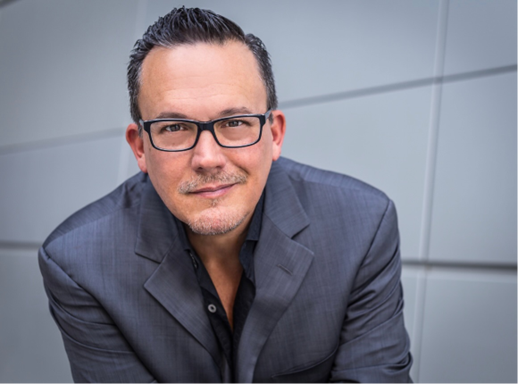
Beyond the Design host Cray Bauxmont-Flynn
ANVIL: What is your main goal in conducting the interviews?
CBF: Beyond the Design is about going deeper. It’s a space to pull back the curtain and really connect with the human side of creativity. By sharing these conversations, I hope to not only highlight exceptional work, but also celebrate the vulnerability, resilience, and passion that often goes unseen. At the heart of it, I want listeners to feel inspired and reminded that powerful design is always rooted in authenticity—and in the people who make it possible.
ANVIL: Are there particular qualities you look for in choosing who to interview – and why are those things important to you?
CBF: I’m drawn to creatives who lead with intention—people whose work is rooted in a deeper purpose. I look for individuals who are willing to be open and real about their journey—not just the wins, but the struggles, pivots, and learning moments along the way. I’m not looking for perfection; I’m looking for passion, perspective, and a willingness to share the why behind the work. I believe that when we spotlight creatives who are grounded in their truth, it resonates far beyond the design world.

ANVIL: Are there favorite questions you ask all designers, regardless of their specialty? Aspects of design that personally interest you the most?
CBF: One of my go-tos is: What story are you trying to tell through your work? It often opens up a more personal dialogue and reveals a deeper layer of intention. I also love to ask about the moment they realized this path was meant for them—that spark that set everything in motion. And beyond the work, I like to ask questions that give insight into who they are as people—not just as designers.
ANVIL: JLF is known for place-based architecture, delving into regional history, geology, and materials to create projects that are “of” a specific place. Your own work seems to have important ties to the Native American culture of your Oklahoma home, and you discuss cultural connections in other interviews. Can you offer thoughts on the connection between culture and design? Is there something in that specificity that promotes good design?
CBF: Culture and design are inseparable for me. My work is deeply tied to my Native American heritage and to the land I come from in Oklahoma. There’s an authenticity that emerges when design is connected to culture—and I believe that kind of specificity leads to work that’s not only more meaningful, but more enduring. Place-based design—whether it’s rooted in regional geology or ancestral tradition—has a soul. It feels of the land, of the people. And that connection resonates on a deeper level. It promotes good design because it respects context, honors heritage, and invites a sense of belonging. When you design from that place of intention and cultural awareness, you’re not just creating beautiful spaces—you’re creating spaces that tell stories, carry legacy, and leave lasting impact.
ANVIL: What are some of the main takeaways from your many interviews? You talk to such a broad range of designers, from designers of products as diverse as sustainable paint, fashion, textiles and hardware to interior designers and architects. Are there common themes you’ve noted regarding design inspiration and process that transcend the particular field of design?
CBF: One of the most powerful takeaways is that regardless of discipline there’s a shared sense of intention among truly great designers. Everyone I’ve spoken with, no matter their medium, is driven by a deeper purpose. What consistently comes up is that design isn’t just about making something beautiful—it’s about meaning. The most memorable conversations always circle back to a sense of why: Why this material? Why this process? Why this story? That level of thoughtfulness is something I see time and again. Another theme I’ve noticed is resilience. So many of these creatives have had to adapt, reinvent, or fight to preserve their voice—and they do it with passion. That’s deeply inspiring. It reminds me that design is as much about process and perseverance as it is about product.
